You’ve spent a few vacations soaking up the sunsets on Anna Maria Island, wandering Pine Avenue, and eating grouper sandwiches until you’ve lost count. Now you’re entertaining the bigger question: what if you actually lived here?
It’s a compelling idea, and for many people, it turns out to be the right one. But island living comes with realities that a week-long vacation doesn’t reveal.
There are things every newcomer wishes someone had told them before signing on the dotted line. This guide is for people who are past the daydream phase and into serious consideration.
Anna Maria Island Market Snapshot
Anna Maria Island’s real estate market reflects what you’d expect from a barrier island with limited land and consistent demand. As of early 2026, the single-family median sale price ranges from $1.75 million to $2.1 million, depending on proximity to the water and property condition.
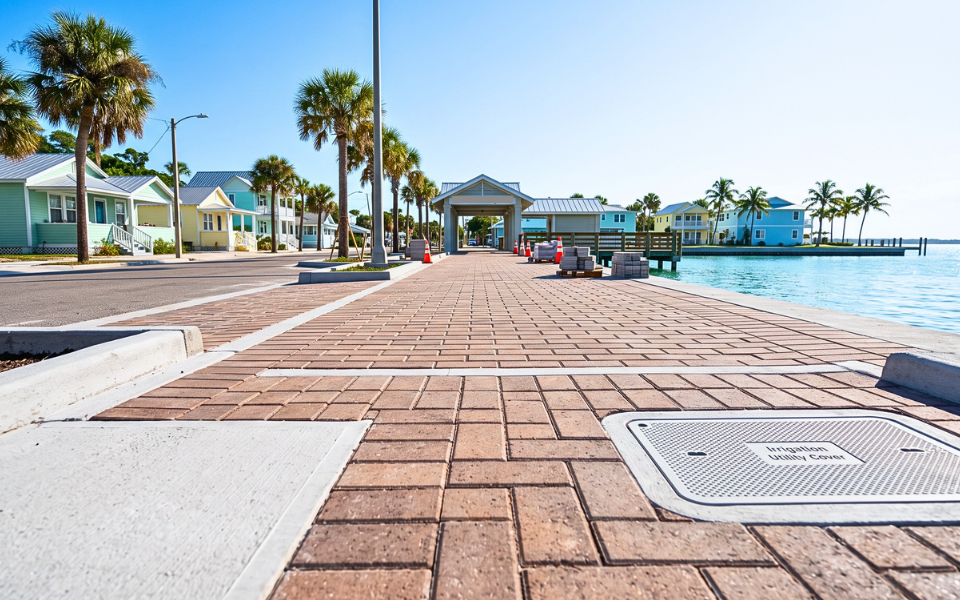
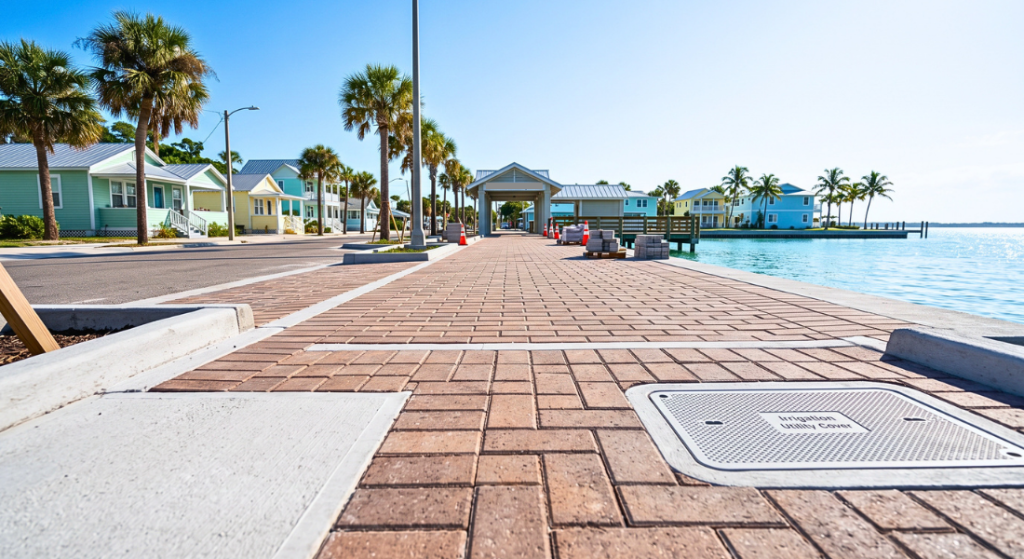
Post-Hurricane Helene rebuilding activity has influenced both pricing and insurance costs throughout Manatee County. Updated flood zone regulations have added another layer for buyers to work through.
At any given time, there are fewer than 40 to 50 active residential listings across all three island cities. Desirable properties move quickly and often attract competing offers.
Vacation rental demand remains strong, particularly for Gulf-front and pet-friendly homes. The regulatory landscape around short-term rentals continues to shift at both the city and county levels. If you’re purchasing with rental income in mind, understanding the local ordinances before you buy is essential.
The Bridge Factor and Getting Around
The island connects to the mainland by two bridges: the Manatee Avenue bridge from Bradenton and the Cortez Road bridge from Cortez. During the season, which runs roughly from January through Easter, bridge traffic can turn a ten-minute drive into forty minutes or more.
Bridge traffic is the single most common frustration new residents mention. It shapes daily routines in ways most people don’t anticipate. Grocery runs, medical appointments, and work commutes all require planning around traffic patterns.
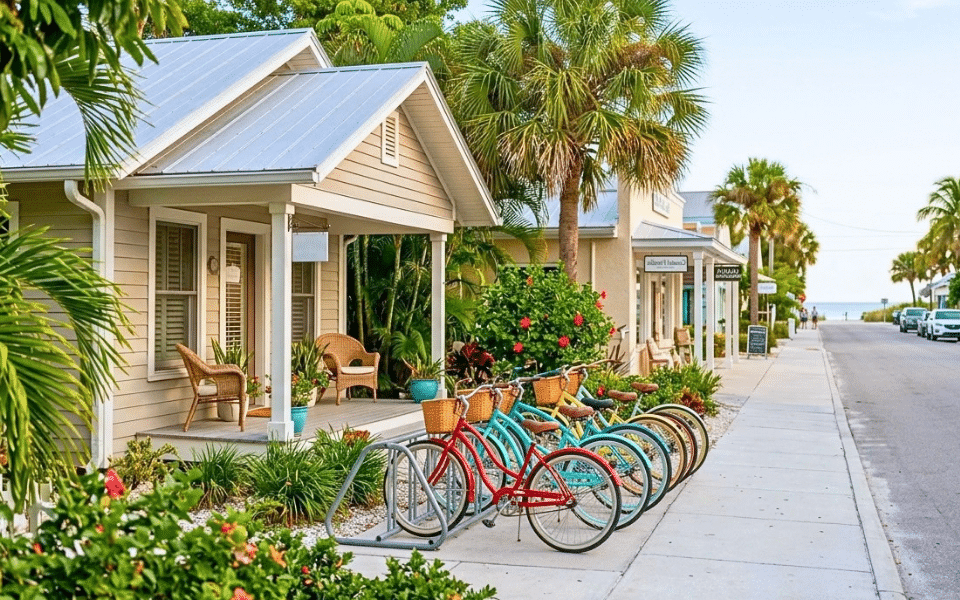
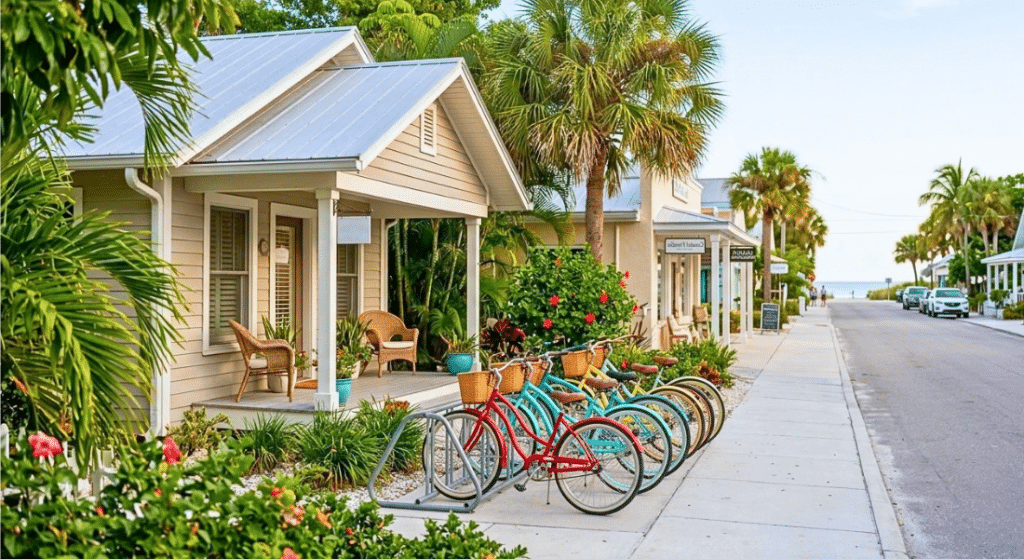
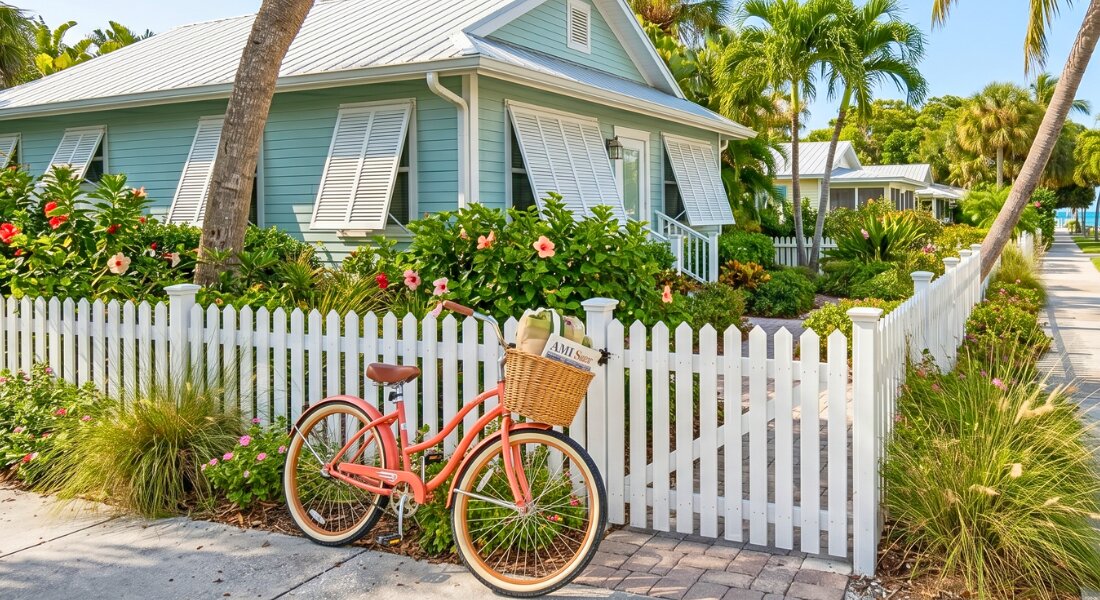
Most full-time residents adjust by shifting their schedules. They shop early, avoid crossing the bridge between 10 a.m. and 2 p.m. on weekends, and learn the rhythm of tourist arrivals and departures. Golf carts are a popular mode of transportation on the island itself. People often use bikes for everyday errands. The adjustment period is real, but once you stop fighting the pace, the island rewards you.
During the off-season, roughly May through November, the island becomes noticeably quieter. Traffic thins, restaurants have open tables, and the beaches feel like your own. Many residents say this is when they truly fall in love with living here.
Hurricane Season and Insurance on Anna Maria Island
Living on a barrier island in the Gulf of Mexico means preparedness isn’t optional. June through November is hurricane season. Hurricane Helene in 2024 was a sharp reminder of how vulnerable coastal properties can be, even from storms that don’t make direct landfall.
Storm surge, flooding, and wind damage are real risks. Know your Manatee County evacuation zone, have supplies ready by June first, and understand your insurance coverage before you need it.
Insurance is another factor that catches many newcomers off guard. Homeowners insurance on Anna Maria Island runs significantly higher than on the mainland. Flood insurance is almost always required. Policies can range from $5,000 to $15,000 or more annually. That range depends on the property’s elevation, construction type, and flood zone designation. Some carriers have pulled out of the Florida coastal market entirely, so finding coverage can take time. Budget for this from the start and work with an agent who specializes in coastal properties.
Despite these challenges, thousands of residents choose to live here year after year. They prepare, carry proper coverage, and accept hurricane season as part of Gulf Coast life. It’s manageable, but only if you take it seriously from day one.
Community, Character, and What Makes It Worth It
Anna Maria Island is not a condo canyon or a resort development. It’s a collection of three small cities: Anna Maria, Holmes Beach, and Bradenton Beach. Each city has its own personality and local government.
The island has maintained a deliberate small-town character through height restrictions on buildings and the preservation of Old Florida cottages. A community that consistently shows up to city commission meetings has kept it that way. Big-box retail and nightlife exist on the mainland. Here, you know your neighbors by name and wave at the mail carrier.
New residents often comment on how quickly they feel welcomed. Volunteer organizations, community events, and regular gatherings at spots like the Sandbar and Bridge Street create an easy social fabric.
The trade-off for this charm is limited on-island services. There’s one main grocery store, a handful of medical offices, and no hospital. Larger shopping, healthcare, and airport access all require crossing a bridge. For most residents, that’s a worthwhile exchange. But if you need everything within a five-minute drive, island life will require more adjustment than you expect.
Questions New Residents and Serious Buyers Ask
What is the cost of living like on Anna Maria Island compared to mainland Florida?
The cost of living on Anna Maria Island is notably higher. Real estate prices, homeowners insurance, and flood insurance are the biggest differences from mainland Manatee County. Day-to-day expenses like dining and groceries are somewhat higher on the island, though not dramatically. Most residents offset costs by keeping a simpler lifestyle and leaning into the natural amenities that come with beachfront living.
Can I rent out my Anna Maria Island home as a vacation rental?
Vacation rentals are permitted, but each of the three cities has its own rules regarding minimum rental periods, licensing, and occupancy limits. Before purchasing with rental income in mind, verify the city’s current short-term rental ordinances and confirm that your intended use is compliant.
How do residents handle hurricane evacuations on Anna Maria Island?
The entire island falls within mandatory evacuation zones for most hurricane threats. When an order is issued, residents leave via one of the two bridges, ideally well before traffic builds. Most long-term residents have a standing plan: a mainland destination, important documents in a go-bag, and storm shutters or impact protection.
Is Anna Maria Island a good place to retire?
Many retirees find it an ideal fit. The walkability, mild winters, active outdoor lifestyle, and welcoming community are consistent draws. Proximity to healthcare is worth factoring in, as the nearest hospital is on the mainland in Bradenton. Retirees who value community engagement and outdoor living tend to thrive here.
Start Your Anna Maria Island Conversation
Contact Billi to talk through buying, selling, or moving to Anna Maria Island. Consider visiting during the off-season to experience the island at its most authentic. Visit Anna Maria Life Real Estate for current listings, island guides, and local perspective from someone who works here year-round.