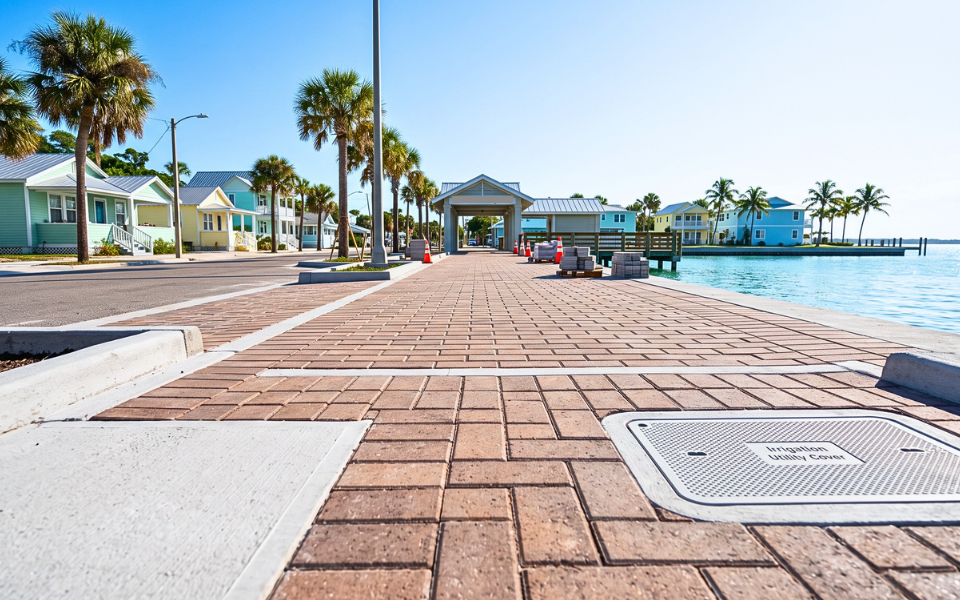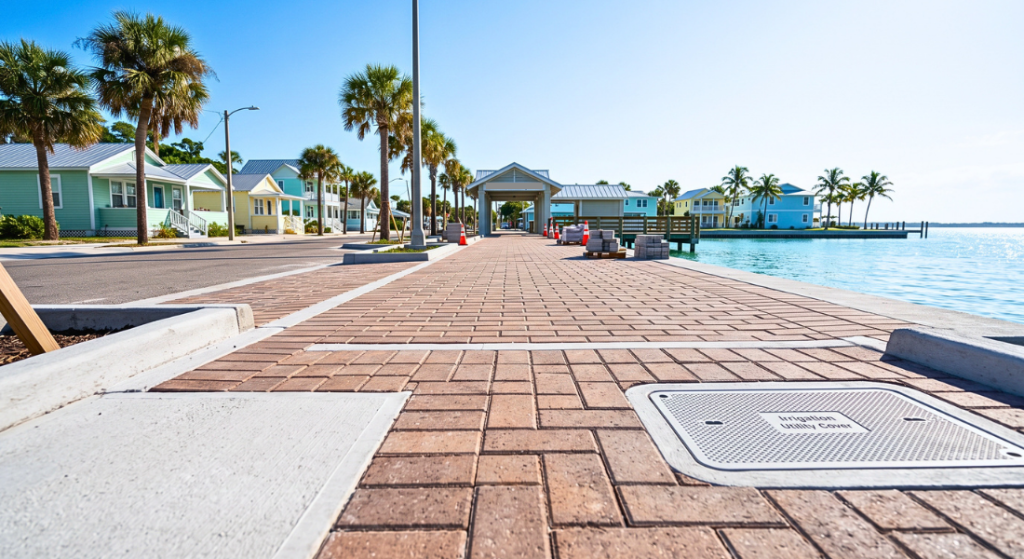

Investors have been watching the Anna Maria Island real estate market from the sidelines for a while now. They’re trying to figure out whether the window of opportunity is closing or just starting to open again.
After several years of rapid price appreciation following the pandemic, the Gulf Coast market has shifted into a more nuanced phase. Smart investors can still find real value here, but only if they understand what’s actually happening on the ground.
Anna Maria Island remains one of Florida’s most desirable vacation destinations. People love the white sand beaches and unique charm. However, desirability alone doesn’t make a sound investment.
Rising insurance costs, evolving short-term rental regulations, and changing buyer expectations all matter. This guide breaks down the current market conditions so you can make an informed decision about whether 2026 is your year to buy on Anna Maria Island.
Anna Maria Island Market Snapshot
The Anna Maria Island and broader Manatee County real estate market has settled into a more balanced rhythm as of early 2025. It’s a far cry from the frenzied bidding wars of 2021 and 2022.
Median home prices on Anna Maria Island proper hover between $1.1 million and $1.4 million, depending on proximity to the beach and property condition. Holmes Beach and Bradenton Beach offer slightly more accessible entry points, with medians ranging from $750,000 to $1 million. Inventory has increased modestly from pandemic-era lows, with active listings across the island sitting higher than they were two years ago. That gives buyers more negotiating leverage than they’ve had in recent memory.
Vacation rental demand on the island remains strong, though occupancy patterns have normalized. Peak season from January through April continues to perform well, with quality properties achieving 85 to 95 percent occupancy during those months. Shoulder seasons have softened slightly as the post-pandemic travel surge has leveled off.
Annual average occupancy for well-managed rentals typically ranges from 65 to 75 percent. Nightly rates for beachfront or updated two- to three-bedroom homes typically range from $250 to $500, depending on the season, location, and amenities offered.
2026 Is a Realistic Entry Point for Patient Investors
Several factors make 2026 a strategic time for vacation rental investors to enter the Anna Maria Island market. Interest rates, still elevated compared to the historic lows of 2020 and 2021, have shown signs of stabilization and modest decreases. That predictability allows investors to model cash flow projections with greater confidence. Sellers who listed at aspirational prices in 2023 and 2024 have also become more realistic. That has created opportunities for negotiated deals that weren’t possible at the height of the market.
The island’s enduring appeal plays a significant role as well. Anna Maria Island consistently ranks among Florida’s top beach destinations, and its strict building codes prohibit structures taller than three stories. That ordinance preserves the small-town character that drives repeat visitors back season after season.
AMI’s limited housing stock creates a natural supply constraint that supports rental rates over time, unlike destinations that can add more hotel rooms to meet demand. For investors thinking long-term, that scarcity factor remains one of the island’s most compelling attributes.
Retiring baby boomers and remote workers seeking warm-weather lifestyles add another layer of demand to the mix. If you’re looking for a property that can serve as both a personal retreat and an income producer, Anna Maria Island fits that profile well. That dual-purpose appeal keeps buyer interest steady even as other Florida markets cool.
Short-Term Rental Regulations Matter Before You Buy
Short-term rental rules on Anna Maria Island are not uniform, and understanding them before making any purchase is essential. The City of Anna Maria, Holmes Beach, and Bradenton Beach each have their own ordinance governing vacation rentals, and the differences matter.
The City of Anna Maria restricts short-term rentals of less than 30 days to properties that already hold grandfathered rental licenses. New short-term rental permits are generally not issued in residential zones. That means buying an existing licensed property is critical if your investment strategy depends on weekly rentals.
Holmes Beach and Bradenton Beach also regulate short-term rental activity. They set requirements around licensing, parking, occupancy limits, noise, and trash collection. Holmes Beach has been particularly active in enforcement.
Investors should verify that any property is eligible for a permit before going under contract. Purchasing a property without confirming rental eligibility is one of the most expensive mistakes a new investor can make.
Florida’s state legislature has also weighed in on the short-term rental debate in recent sessions. Florida’s Department of Business and Professional Regulation oversees vacation rental licensing at the state level and is a reliable starting point for understanding current requirements. Anyone entering this market should stay current on those legislative developments.
Run the Numbers Before You Commit
Investing in an Anna Maria Island vacation rental in 2026 requires realistic expectations from the start. Gross rental income for a well-positioned, updated property can range from $60,000 to $120,000 annually. Net returns after accounting for management fees, insurance, property taxes, maintenance, furnishings, and platform commissions tell a different story, though. Many island properties yield net returns of 4-7 percent before mortgage costs, meaning cash buyers tend to see the most favorable results.
Insurance deserves special attention. Florida’s property insurance market has been challenging in recent years, and coastal properties on barrier islands face some of the highest premiums. Flood insurance through FEMA’s National Flood Insurance Program or private carriers adds another layer of cost on top of that. Getting insurance quotes before finalizing any purchase is a smart move. Carrying costs that aren’t fully understood at the outset can quietly erode projected returns.
The total return picture improves considerably when you factor in long-term appreciation. Anna Maria Island real estate has historically appreciated at rates that outpace many mainland markets. The combination of rental income plus equity growth can make AMI property a compelling addition to a diversified investment portfolio. The key is to buy at a price that lets you cover expenses during slower months without relying on appreciation alone to justify the investment.
Questions Investors Ask About Anna Maria Island Rental Properties
Can I still get a short-term rental license on Anna Maria Island?
It depends on which city the property is in and whether it already holds an active vacation rental license. Bradenton Beach and Holmes Beach are more open to new vacation rentals. In the City of Anna Maria, new short-term rental licenses in residential areas are generally unavailable. The only option is to purchase a property with a transferable license. Always verify license status and transferability before making an offer.
What is the average annual rental income for a vacation property here?
Gross rental income for well-managed properties typically ranges from $60,000 to $120,000 per year. Net income after expenses, including management fees, insurance, taxes, and maintenance, is significantly lower. Running detailed financial projections before purchasing is essential.
How much does homeowners’ insurance cost for a vacation rental on Anna Maria Island?
Costs vary widely based on construction type, age, flood zone designation, and coverage levels. Annual premiums including wind and flood coverage can range from $8,000 to $20,000 or more. Obtaining quotes from multiple carriers during your due diligence period is recommended, as insurance is consistently one of the largest ongoing expenses for coastal property owners.
Is Anna Maria Island a sound long-term real estate investment?
Anna Maria Island has historically shown strong long-term appreciation. Short-term market fluctuations happen, but the island’s fundamental scarcity and desirability position it well for investors with a five-to-ten-year or longer time horizon.
Find the Right Property on Anna Maria Island
Exploring Anna Maria Island real estate starts with a conversation. Reach out to Billi to talk through which properties and neighborhoods align with your investment goals, or browse current island listings on our site.