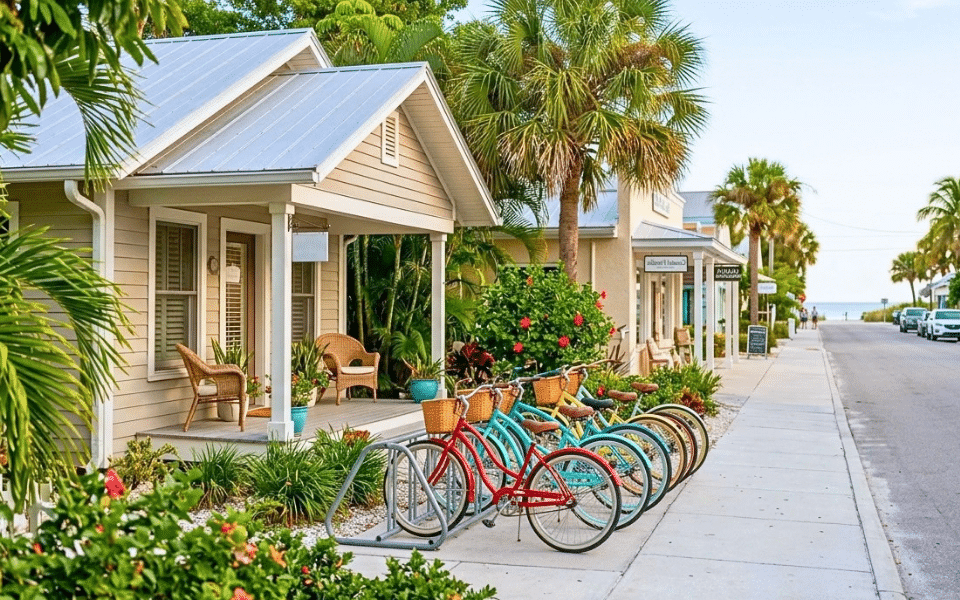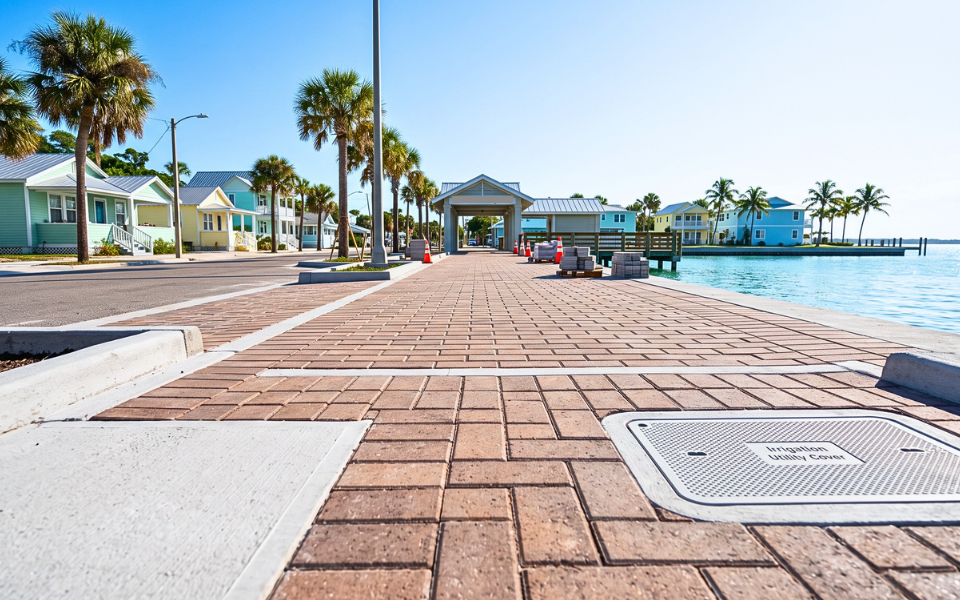

You found the perfect cottage on Anna Maria Island. The charm, the location, and the Gulf breezes sold you instantly. Then you started planning renovations, and the surprises began.
Anna Maria Island has some of the strictest historic preservation and zoning rules in Florida. These regulations affect building height, exterior colors, fencing, landscaping, and more. Many buyers only learn about these restrictions after closing on their property.
Understanding the rules before you buy can save you thousands of dollars and months of frustration. These codes will shape your plans, whether you are buying a vacation rental, a retirement home, or an investment property. This post walks you through the key preservation and zoning regulations every new owner should know.
Anna Maria Island Market Snapshot
The Anna Maria Island real estate market remains competitive. Median home prices in the broader Manatee County area hover around $400,000 to $480,000. On the island itself, prices run significantly higher, with many single-family homes listed between $900,000 and well over $2 million. Waterfront properties and Gulf-front lots continue to command premium prices due to limited inventory.
Vacation rental demand is strong, especially during peak season from January through April. Snowbirds and tourists keep occupancy rates high across the island. However, inventory is tight because very few new lots are available for development, and strict building codes limit the scale of new construction. These factors make existing properties particularly valuable, which is exactly why understanding the preservation and zoning rules below matters before you buy.
The Historic Preservation Rules Anna Maria Island Enforces
The City of Anna Maria, in particular, enforces historic preservation guidelines that go far beyond what most buyers expect. Building heights are capped, typically at around 28 feet in residential zones. That means you cannot tear down a cottage and replace it with a towering modern home. The goal is to maintain the island’s Old Florida character and low-rise skyline.
Exterior paint colors are also regulated in certain areas of the island. You may need approval before repainting your home in a bold or non-traditional color.
Fencing height, materials, and placement often require review. Even minor exterior modifications like adding a new deck or carport may trigger a permit process. Rules vary slightly between the three island municipalities, each with its own codes and review boards.
Landscaping regulations can also catch new owners off guard. Removing mature trees often requires permission, and replacement plantings may be mandatory. The island prioritizes native vegetation and discourages large paved surfaces. If you are planning a pool, expanded driveway, or outdoor kitchen, check the local code first. A quick call to the city planning office can save you from costly surprises later.
Zoning Rules That Affect Vacation Rentals
Vacation rental regulations on Anna Maria Island have tightened in recent years. Each of the three cities handles short-term rental permits differently.
In the City of Anna Maria, vacation rentals are allowed but face strict occupancy and parking requirements. Holmes Beach has its own rules on rental duration and noise ordinances. Bradenton Beach regulates rentals through its zoning code and requires proper licensing.
All three cities require compliance with Manatee County tax collection rules for tourist development taxes. If you plan to rent your property to vacationers, you need the correct permits before listing on any platform. Operating without a license can result in fines, and repeat violations can lead to larger penalties.
Parking is a surprisingly common issue for rental properties across the island. Many island homes have limited driveway space, and cities may restrict the number of vehicles allowed per rental unit. Some properties lack enough parking to qualify for a vacation rental permit. Review parking requirements before buying a rental investment property.
The Risks of Unpermitted Renovations
Some new owners skip the permit process, assuming small projects fly under the radar. On Anna Maria Island, that assumption is risky. Code enforcement is active across all three island municipalities. Neighbors are also attentive and often report unpermitted work quickly. The island’s small-town character means people notice changes to properties.
If you complete work without the proper permits, you may be required to undo the modifications at your own expense. In some cases, the city can issue stop-work orders that halt your project. Fines can accumulate daily until you fully resolve the violations.
When you eventually sell the property, unpermitted work can complicate closing. Title companies and buyers’ inspectors will flag modifications that lack proper documentation.
Contact your city’s building and planning department before starting any project. Even if you think the work is minor, a quick consultation clarifies whether you need permits or board approval. Many homeowners find the process straightforward once they understand the steps involved.
How to Navigate the Rules Before You Buy
The smartest thing a prospective buyer can do is research zoning and preservation rules before making an offer. Ask your real estate agent which municipality the property falls under. Get copies of any existing permits, variance approvals, or code violation history for the property.
Attend a local planning board meeting if you can. These meetings are open to the public and give you a clear sense of how the community approaches development. You will hear discussions about setback requirements, building height requests, and renovation approvals. It is a valuable window into the local regulatory culture.
Working with a real estate professional who understands island-specific regulations makes a significant difference. Not every agent knows the nuances of Anna Maria Island’s three distinct municipal codes. Choose someone who can guide you through the process with local expertise and firsthand knowledge of recent code changes.
FAQs About Anna Maria Island Zoning and Preservation Rules
Can I build a three-story home on Anna Maria Island?
Most residential zones on the island have height restrictions that prevent three-story construction, typically limiting height to around 28 feet. Check with your city’s building department for regulations that apply to your lot.
Do I need a permit to repaint my house on Anna Maria Island?
In some areas, particularly within the City of Anna Maria, exterior color changes may require review. It is always best to contact your local planning department before starting. This avoids potential code violations and ensures your color choice is approved.
Are short-term vacation rentals allowed everywhere on the island?
Vacation rentals are permitted in many areas, but rules vary by municipality. Each city sets its own licensing, occupancy, and parking requirements. You must obtain the proper permits before listing your property for short-term rental.
What happens if I buy a property with unpermitted renovations on Anna Maria Island?
You may inherit the responsibility for resolving any code violations tied to unpermitted work. This could mean removing modifications or applying for after-the-fact permits. A thorough pre-purchase inspection and permit history review can help you avoid this situation.
Plan Your Anna Maria Island Move With Billi
Ready to explore Anna Maria Island real estate or vacation rental opportunities? Reach out to Billi to go over zoning questions and current listings together. She can help you understand what these rules mean for a specific property, whether you are buying, selling, or looking for a rental investment.