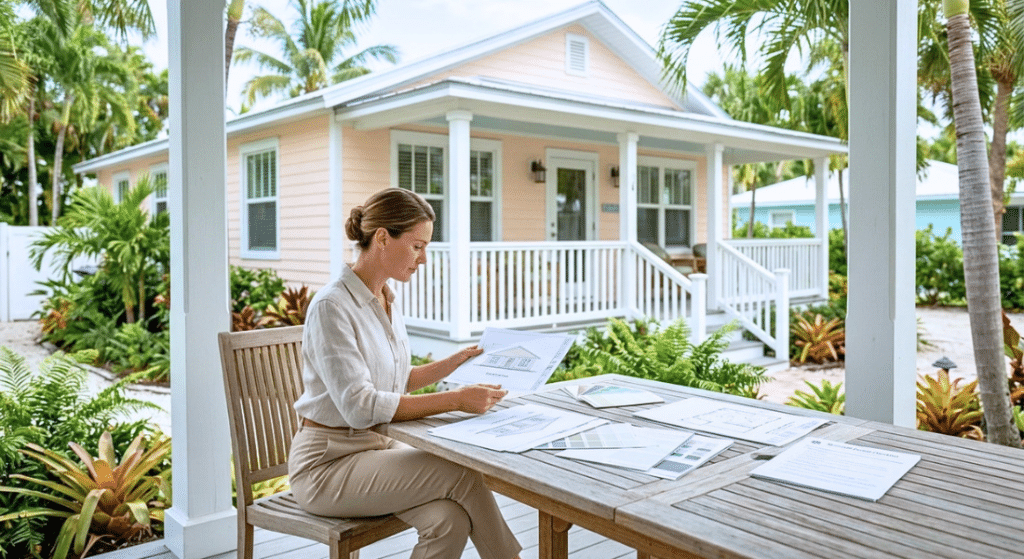

Something interesting is happening on Anna Maria Island, and it has nothing to do with snowbirds or summer tourists. A new group of residents is quietly settling in, working from their laptops. Remote professionals are discovering that island life pairs perfectly with flexible schedules and reliable Wi-Fi.
They are renting homes during months that used to sit empty, and some are buying property to stay year-round. This shift is changing the island’s rhythm in ways locals and investors are starting to notice. Anna Maria Island used to follow a predictable cycle, with snowbirds in winter, vacationers in summer, and a quiet fall.
That pattern is dissolving, and homes that once sat vacant in September and October now have tenants taking Zoom calls by the pool. This trend matters for anyone who owns rental property, is considering a purchase, or simply loves this island. It is reshaping rental income expectations, neighborhood dynamics, and the community’s overall feel year-round.
Anna Maria Island Market Snapshot
The Anna Maria Island real estate market remains competitive. Median home prices in the broader Manatee County area hover around $400,000 to $480,000. On the island itself, waterfront and Gulf-facing properties frequently list well above $1 million. Inventory remains tight, though slightly improved from the historic lows seen in 2022 and 2023.
Vacation rental demand has stayed strong, with platforms like Airbnb and VRBO showing consistent booking rates. What has changed is when those bookings happen, with owners now reporting stronger occupancy during shoulder months like May, October, and even November. Insurance costs and flood zone regulations continue to influence buying decisions. Still, investor interest in the island hasn’t cooled, especially as remote workers fill a long-term rental gap traditional tourism never covered.
Why Remote Workers Are Choosing Anna Maria Island
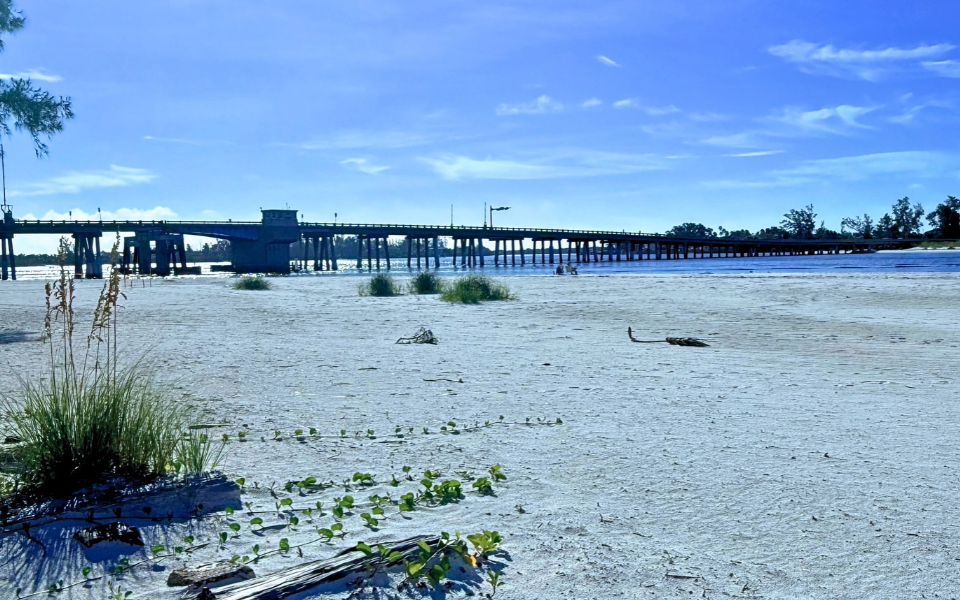
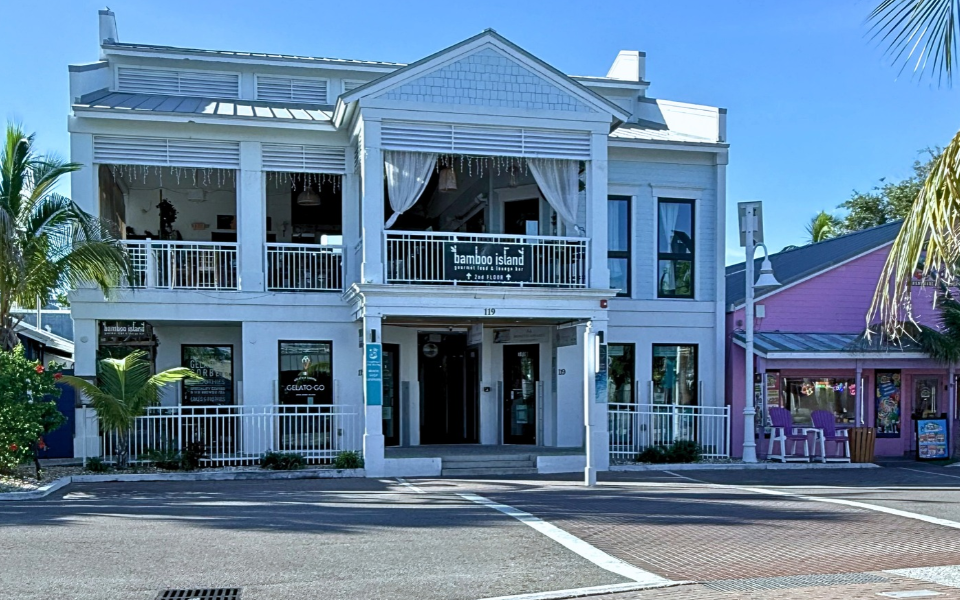
The appeal is not hard to understand once you see the full picture. Anna Maria Island offers a walkable, low-key lifestyle with Gulf beaches minutes from any front door. No high-rises here, and the Pine Avenue shops, Bridge Street restaurants, and laid-back vibe feel worlds away from a cubicle. For someone who only needs a reliable internet connection, this island checks every box.
Many remote workers are professionals in their 30s and 40s from cities like Atlanta, Nashville, Chicago, and the Northeast. They are choosing mid-term rentals of one to six months over traditional leases. Some came initially for vacation, realized they could work from here, and extended their stays. The cost of a monthly rental on the island can be less than a mortgage payment, and that math is hard to ignore.
The island also offers something harder to quantify: a true sense of community. Unlike anonymous apartment living in a big city, Anna Maria Island feels like a neighborhood. Remote workers join yoga classes, shop at local markets, and paddleboard before their first meeting. They aren’t just visiting; they are participating in island life.
How This Trend Is Changing Rental Demand Patterns
For years, rental property owners structured their calendars around peak tourist weeks. Winter and spring used to command the highest nightly rates on the island. Summer brought families on vacation, while fall became something of a dead zone. Owners accepted lower occupancy from September through November as a fact of island life.
Remote workers are rewriting that calendar, turning off-peak monthly rentals into steady income that used to require constant turnover. A single remote worker renting for three months in the fall can produce revenue comparable to weeks of short-term bookings. The bonus is less wear and tear on the property, since fewer cleanings, fewer guest turnovers, and lower management costs make this appealing to owners.
Some property managers on the island are actively marketing to this demographic. They offer furnished homes with dedicated workspaces and high-speed internet as standard features. Listings now mention desk setups and quiet neighborhoods alongside beach proximity. The rental product is evolving because renters have changed.
The Ripple Effect on Island Neighborhoods and Local Business
When homes stay occupied year-round, the whole community benefits in big and small ways. Local restaurants that used to reduce hours in October now see steady lunch crowds. Coffee shops on Pine Avenue report consistent traffic from laptop workers throughout the week. The Publix on Holmes Beach stays busier during months that once felt sleepy.
Neighborhoods across the island are experiencing a demographic shift as well. Streets that were quiet for months now have cars in driveways and lights on at night. This increased presence may help reduce property crime and improve the sense of community. Full-time and part-time residents alike notice the difference when a neighborhood feels lived in.
There are trade-offs to consider, of course, as with any shift like this. Some long-time residents worry about parking, noise, and the changing character of their streets. Balancing growth with the island’s small-town identity is an ongoing conversation. However, most agree that occupied homes are better than empty ones. Remote workers tend to be respectful tenants who value the same quiet island charm that drew everyone else here.
FAQs About Remote Workers and Anna Maria Island Rentals
Are remote workers renting short-term or long-term on Anna Maria Island?
Most remote workers prefer mid-term rentals ranging from one to six months. This timeframe gives them stability without a long-term lease commitment. It also benefits property owners with consistent income during off-peak seasons.
Is internet service on Anna Maria Island reliable enough for remote work?
Yes, most areas of the island have access to high-speed internet through local providers. Many furnished rentals now advertise their internet speeds as a selling point. Confirm connection quality before signing a rental agreement.
How does renting to remote workers compare financially to short-term vacation rentals?
Monthly rental rates are lower per night than vacation rates. However, the guaranteed occupancy and reduced turnover costs often result in comparable or better net income. Many owners find the reduced management hassle worth the slight rate difference.
Can I buy property on Anna Maria Island specifically to rent to remote workers?
Absolutely. Properties with dedicated office space, strong Wi-Fi, and quiet locations are especially appealing to this market. Working with a local agent who understands both the rental landscape and zoning rules is the best first step. Billi Gartman can guide you through the process from search to closing.
Take Your Next Step With Billi
Ready to explore Anna Maria Island real estate or vacation rental opportunities? Reach out to Billi to see which listings best fit the remote-work lifestyle. She can help you figure out whether buying, selling, or renting makes the most sense for your situation.