For many people here, it starts with a single vacation. You book a week on Anna Maria Island, fall for the sunsets, and the Gulf breeze starts to feel like home. The pace of life slows you down in the best way. Before the first trip ends, you are already planning the next one.
This is a story we hear constantly on Anna Maria Island. Visitors arrive for a getaway and leave with a dream of living here full-time. The path from first-time tourist to seasonal snowbird to permanent resident is remarkably common. It follows a pattern many islanders recognize in their own stories.
Knowing how that path tends to unfold can help you plan your own next steps. The island has a way of pulling people closer, whether you are weighing a vacation rental investment or a permanent move.
Anna Maria Island Market Snapshot
The Anna Maria Island real estate market continues to reflect strong demand. Median home prices on the island currently run from about $950,000 to $1.1 million. Prices vary considerably with proximity to the beach and property condition. The broader Manatee County median sits well below that, generally in the $425,000 to $475,000 range.
Vacation rental demand remains steady, thanks to the island’s reputation as a family-friendly destination. Occupancy rates for well-managed rentals typically exceed 75 percent during peak season. Even shoulder months draw solid bookings from remote workers and retirees.
Inventory on the island stays tight, with roughly 60 to 80 active single-family listings at any given time. That limited supply keeps competition healthy among buyers. New construction is rare here, given the island’s strict building codes and limited land.
The First Visit Wins You Over
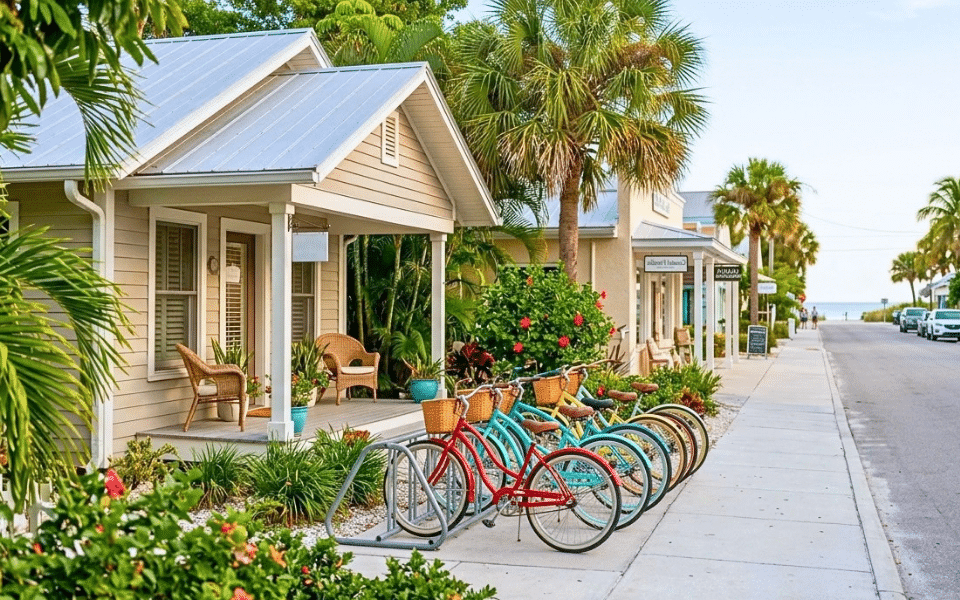
Almost every permanent resident has the same origin story. They booked a week at a beachfront rental, expecting nothing more than a nice getaway, and then the island worked its quiet magic. Morning coffee on the lanai became a daily ritual, and bike rides to the island’s piers replaced gym workouts. Dinner at a waterfront restaurant like the Sandbar Restaurant felt effortless and joyful.
What surprises most first-time visitors is how the island runs like a small town. Shop owners greet you by name after your second visit, and neighbors wave from their porches. There is no traffic stress, no rush, and no pretense.
That kind of authenticity is rare along Florida’s coast. Many beach towns have given way to high-rise development and chain restaurants. Anna Maria Island has deliberately preserved its Old Florida character through local ordinances and community pride.
By the end of that first trip, you are doing the math and wondering what homes cost here. You find yourself scrolling rental listings on your phone. The idea has quietly taken hold, more often than you would think.
The Snowbird Years Become a Trial Run
The next step usually means coming back for a longer stay. Many visitors return as snowbirds, renting a cottage or condo for one to three months over the winter. This phase works as a trial run for island living. You start to see the island beyond vacation mode and settle into its daily rhythms.
Snowbirds learn where locals actually eat, shop, and spend their time. They find the quiet beaches that tourists overlook and turn up for community events like the farmers’ market and art walks. That deeper connection makes the island feel less like a destination and more like a home.
The pull gets stronger during this phase. You notice your blood pressure drops here, and your relationships improve when you are not constantly rushing. Little by little, the seasonal visit starts to feel like the baseline.
Money enters the picture during the snowbird phase, too. You learn what seasonal rentals cost and how those expenses compare to keeping a home up north. Many snowbirds realize that paying to live in two places is less efficient than owning on the island. That realization often speeds up the move to the next stage.
The Triggers Behind a Permanent Move
The decision to move permanently usually comes down to a few specific triggers, and retirement is the most obvious one. Once a job no longer ties you down, the question shifts from whether you can to why you wouldn’t.
Florida’s lack of state income tax sweetens the deal considerably. For retirees on a fixed income, those savings alone can be meaningful.
Remote work has opened a new path for younger transplants. If your employer lets you work from anywhere, the island becomes a real option. High-speed internet reaches across the island, and many residents work from home offices with Gulf views. That flexibility has noticeably lowered the average age of new residents in recent years.
Health and wellness also play a role. The warm climate helps people with joint issues, respiratory conditions, and seasonal depression. Year-round outdoor activity here is not just possible; it is the norm. Walking, kayaking, fishing, and cycling are part of everyday island life.
On the financial side, buyers should plan carefully. Property insurance costs across coastal Florida have risen sharply, and flood insurance is typically required for island properties. HOA fees, property taxes, and maintenance all belong in your budget. An agent who knows this market well makes a real difference in avoiding costly surprises.
Common Questions About Moving to Anna Maria Island
What is the average cost of living on Anna Maria Island compared to other Florida beach towns?
Anna Maria Island has higher prices than many inland areas of Florida but remains competitive with comparable Gulf Coast beach communities. Housing is the largest expense, with median prices near or above $1 million. Groceries and dining fall within the moderate range, and the absence of a state income tax helps offset other costs.
Can I rent out my Anna Maria Island home when I am not using it?
Yes, but regulations apply. Short-term rental rules differ across the island’s three cities. The city of Anna Maria, for example, has its own ordinances, including registration and minimum-stay requirements. Verify the current rules before buying a property you intend to rent short-term.
How long does the snowbird-to-resident transition usually take?
Most people describe a three- to five-year timeline. The first year or two is spent vacationing, followed by one to two years of seasonal renting. The purchase and permanent move usually happen after that extended trial period. Some people move faster when retirement or remote work lines up.
Is Anna Maria Island a good place for families relocating full-time?
Anna Maria Island suits families who value outdoor living and a tight-knit community. Schools in the Manatee County district serve island families well, and kids grow up swimming, fishing, and exploring nature. The main consideration is size, so the nearby mainland city of Bradenton offers extra amenities and activities.
Talk With Billi When You Are Ready
Ready to explore Anna Maria Island real estate or vacation rentals? Reach out to Billi to talk through your options with someone who knows the island. Billi can help whether you are buying, selling, or looking for the right vacation rental.
Not quite ready to make a move? Visit Anna Maria Life Real Estate for current listings, island guides, and local perspective from someone who works here year-round. You can also follow along on social media for a regular look at island life while you plan your next step.